7 Tips to Help You With Oral Hygiene
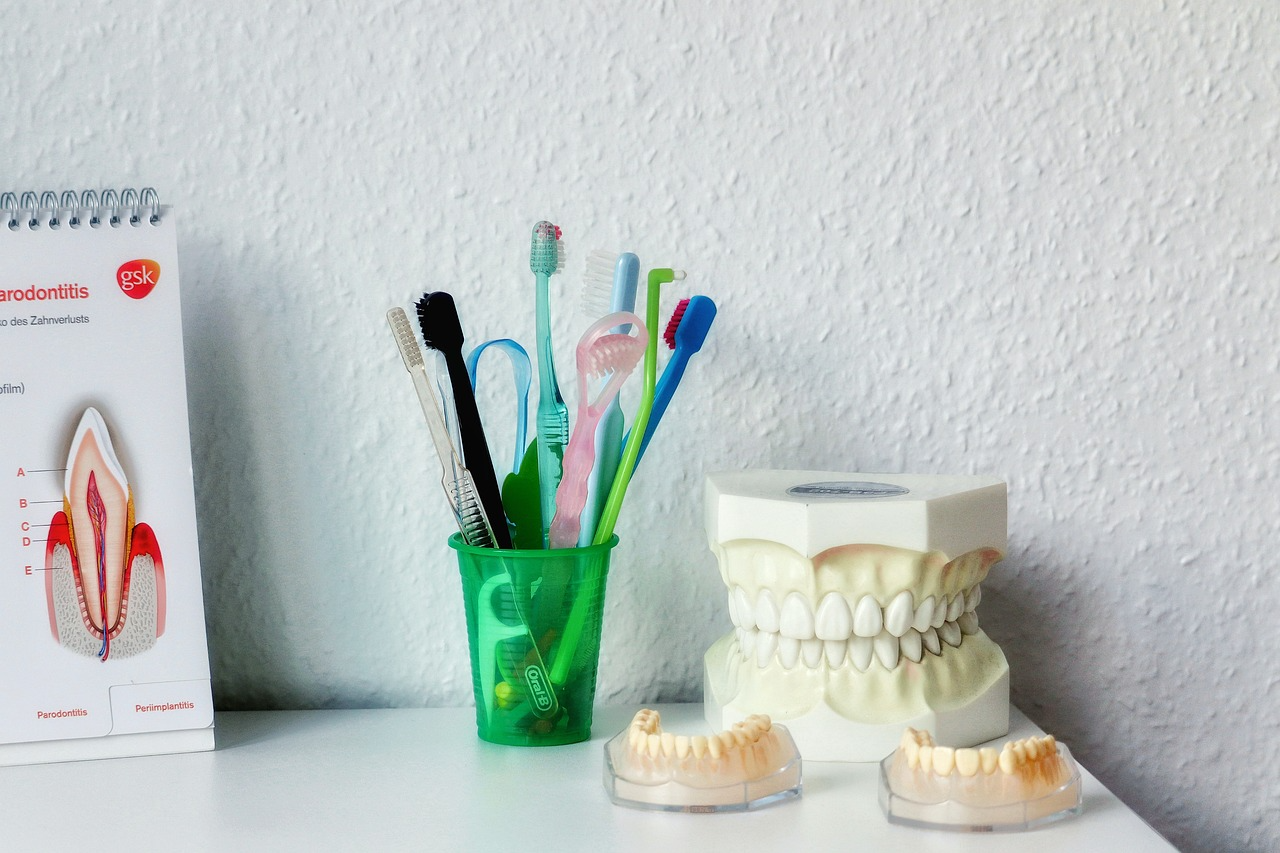
Good oral health is not just about a bright smile. It plays a big role in your overall health, confidence, and daily comfort. Yet, many people ignore basic oral care until pain or problems appear. Think of your mouth like the front door to your body—if it’s not clean and cared for, trouble can easily walk in.
In this guide, we’ll break down simple, practical oral hygiene tips that anyone can follow, no matter their age. No complicated words. No confusing routines. Just clear actions that actually work.
Understanding Oral Hygiene
Oral hygiene means keeping your mouth clean and free from disease. This includes your teeth, gums, tongue, and breath. It’s not something you do once in a while—it’s a daily habit, just like bathing or washing your hands.
Why Oral Hygiene Matters
Poor oral care can lead to tooth decay, gum disease, bad breath, and even infections. Studies also show links between oral health and conditions like diabetes and heart disease. So yes, brushing your teeth really does matter more than you think.
Tip 1: Brush the Right Way
Brushing twice a day is basic, but how you brush matters more.
Key points:
- Use a soft-bristled toothbrush
- Brush for 2 full minutes
- Use gentle circular motions
- Don’t forget the gum line
Think of brushing like sweeping your house. If you rush or skip corners, dirt stays behind.
Tip 2: Don’t Skip Flossing
Many people avoid flossing because it feels unnecessary. But brushing alone cleans only 60% of your teeth.
Why flossing is important:
- Removes food stuck between teeth
- Prevents gum bleeding
- Reduces bad breath
Flossing once a day can save you from painful dental problems later.
Tip 3: Clean Your Tongue
Your tongue can hold more bacteria than you imagine.
Simple oral hygiene tip:
- Use a tongue cleaner or toothbrush
- Clean gently from back to front
This small habit can instantly improve breath and overall mouth cleanliness.
Tip 4: Watch What You Eat
What you eat shows up on your teeth.
Foods that harm oral hygiene:
- Sugary snacks
- Sticky sweets
- Fizzy drinks
Foods that help:
- Fruits and vegetables
- Dairy products
- Water
Sugar feeds bacteria. Less sugar means fewer cavities.
Tip 5: Rinse Smartly
Rinsing your mouth helps wash away bacteria, but timing matters.
Best practice:
- Use a non-alcoholic mouthwash
- Don’t rinse immediately after brushing
- Rinse after meals when possible
This keeps fluoride on your teeth longer, making them stronger.
Tip 6: Replace Your Toothbrush
An old toothbrush doesn’t clean well.
Change your toothbrush:
- Every 3 months
- After illness
- When bristles are worn
A worn brush is like trying to clean dishes with a dirty sponge—it just doesn’t work.
Tip 7: Visit Your Dentist Regularly
Even if your teeth feel fine, problems can hide below the surface.
Dental check-ups help with:
- Early problem detection
- Professional cleaning
- Gum health monitoring
For expert dental care and friendly guidance, consider visiting Gladys Dental Care. Learn more at https://gladysdentalcare.com and check their trusted Google Business Profile here: https://share.google/q1Yp9wMIiyzOXrSJH
Common Oral Hygiene Mistakes
- Brushing too hard
- Skipping floss
- Ignoring bleeding gums
- Using teeth as tools
Avoiding these mistakes can instantly improve your oral health.
Oral Care for Children
Start early. Teach kids to brush twice daily and limit sweets. Make brushing fun, not forced.
Oral Care for Adults
Stress, smoking, and poor diet affect teeth. Stick to a routine and don’t delay dental visits.
Oral Care for Seniors
Dry mouth and gum issues are common. Regular dental care becomes even more important with age.
Signs of Poor Oral Hygiene
Watch out for:
- Bad breath
- Bleeding gums
- Tooth pain
- Yellow or brown stains
These are signs your mouth needs attention.
Building a Daily Oral Care Routine
A simple routine works best:
- Brush morning and night
- Floss once daily
- Rinse when needed
- Dental check-up every 6 months
Consistency is the real secret.
Conclusion
Good oral hygiene doesn’t require expensive tools or complex steps. Small daily habits can protect your teeth for life. By following these oral hygiene tips, you’re not just caring for your smile—you’re caring for your overall health. And when in doubt, professional care from trusted clinics like Gladys Dental Care can make all the difference.